16 October 2026
Taiwan’s offshore wind slowdown holds lessons for other Asian markets
Despite rapid growth over the past decade, Taiwan’s offshore wind industry faces mounting challenges under its newer auction model, offering lessons for emerging markets across Asia as they seek to turn ambitious targets into operating projects.
14 October 2026
Southeast Asia’s EVs displace USD 560 Million in oil imports in six months
Rising EV adoption across Southeast Asia is reducing dependence on imported oil, with Vietnam emerging as a regional frontrunner, according to new analysis.
09 October 2026
ASEAN advances energy security as experts urge faster clean energy shift
ASEAN energy ministers have made new commitments on power trade, data transparency and oil security. Experts say more action is needed - faster - after a year of fuel price shocks.
08 October 2026
Electrification: An opportunity for development in Cambodia? [Op-Ed]
Cambodia has a lot to gain from seizing the opportunities offered by the global focus...
14 September 2026
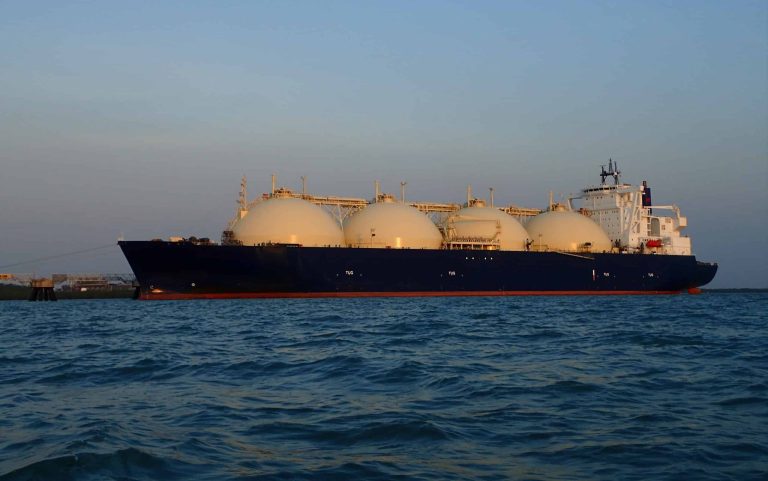
Asia Reassesses LNG Reliance After Six Months of Hormuz Disruption
When energy planners across Asia assessed the risks of LNG dependence, a major geopolitical supply disruption was often treated as a tail risk. Six months of disruption around the Strait of Hormuz have changed that. Asian LNG demand has fallen for two consecutive years, 47 proposed power plants worth USD 52 billion have been cancelled or stalled, and the fiscal strain is spreading from energy bills into currency markets and public finances.
25 March 2026
Is Natural Gas a Fossil Fuel and Can it Be Renewable?
Despite its "clean" reputation, natural gas is unequivocally a fossil fuel, formed from ancient organic matter over millions of years. While it burns more cleanly than coal at the point of combustion, its primary component — methane — is a potent greenhouse gas driving climate change. As production surges to record highs, the debate intensifies over whether it is a viable "bridge fuel" or a significant obstacle to a renewable future.
08 October 2026
At ASEAN Energy Forum, gas industry and regional planners draw different lessons from Hormuz
ASEAN’s gas demand could nearly quadruple even under its most ambitious energy transition scenario, raising concerns over long-term dependence and energy security.
02 October 2026
Thailand’s new power plan raises gas capacity despite LNG shock, drawing criticism
Thailand’s draft power plan would add 9.1 GW of gas-fired capacity by 2037, equivalent to...
31 March 2026
Climate Risk, Capital and Gender: Is Asia Pricing the Full Transition? – Podcast
Listen on Spotify, Apple Podcasts, Amazon Music and others In this episode of Energy Insights, host Stephen is joined by Flora...
23 January 2026
Circular Economy Opportunity: Recycling Solar & Wind Materials
Listen on Spotify, Apple Podcasts, Amazon Music and others Solar panels and wind turbines are often criticised for creating a...


![Electrification: An opportunity for development in Cambodia? [Op-Ed]](https://energytracker.asia/wp-content/uploads/2024/02/Cambodia-Solar-Panels.jpg)