Features

Amid Global Electrification Push, Bangladesh Highlights Need for Solar in Developing Countries
As calls grow for greater electrification and a shift away from fossil fuels, Bangladesh showcases the urgency for developing countries of investing in renewables and grid updates.

Asia’s LNG Growth Model Faces a Structural Demand Problem, Experts Say
LNG demand destruction in Asia predates the Iran conflict. Analysts say USD 400 billion in committed gas infrastructure capital faces stranding as renewable costs fall and corporate demand for clean power accelerates.
Renewable Energy

Foreign Investment in Bangladesh: Powering Renewable Energy
Introducing policy reforms to address existing barriers, de-risk projects, incentivise developers and improve investor confidence remains key for accelerating Bangladesh's clean energy transition and strengthening its energy security.

What Keeps Halting Bangladesh’s Solar Revolution
Experts warn that Bangladesh’s energy crisis will persist without a decisive shift toward renewable energy. While the political rhetoric for accelerating solar energy deployment to enhance energy security and affordability is growing stronger, structural and institutional barriers threaten to delay progress.
Fossil Fuel

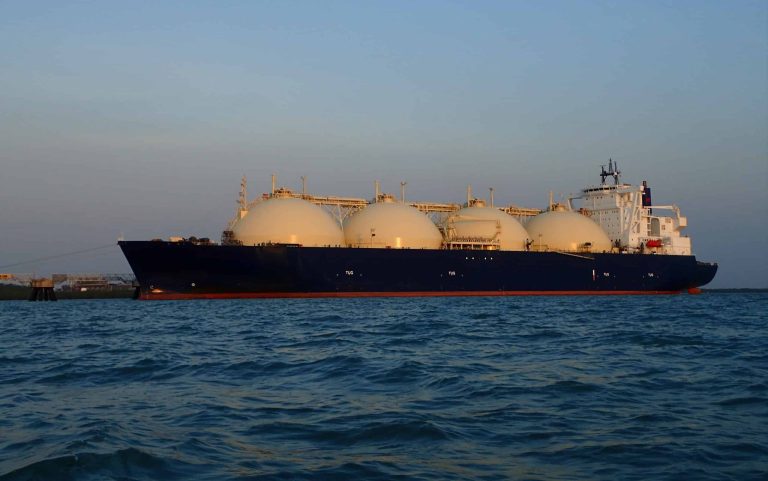
Asia Reassesses LNG Reliance After Six Months of Hormuz Disruption
When energy planners across Asia assessed the risks of LNG dependence, a major geopolitical supply disruption was often treated as a tail risk. Six months of disruption around the Strait of Hormuz have changed that. Asian LNG demand has fallen for two consecutive years, 47 proposed power plants worth USD 52 billion have been cancelled or stalled, and the fiscal strain is spreading from energy bills into currency markets and public finances.

Is Natural Gas a Fossil Fuel and Can it Be Renewable?
Despite its "clean" reputation, natural gas is unequivocally a fossil fuel, formed from ancient organic matter over millions of years. While it burns more cleanly than coal at the point of combustion, its primary component — methane — is a potent greenhouse gas driving climate change. As production surges to record highs, the debate intensifies over whether it is a viable "bridge fuel" or a significant obstacle to a renewable future.
Region

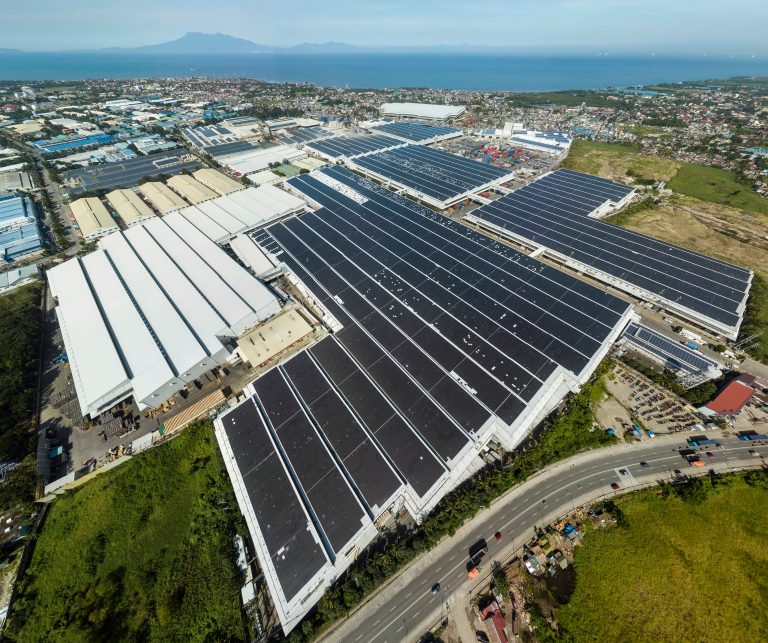
Can Untapped Rooftop Solar Energy Help the Power-stressed Visayas?
Weeks of power disruptions across the Visayas, Philippines, have exposed the economic and social costs of relying on large, centralised coal plants. Experts state that accelerating rooftop solar could significantly alleviate the power supply crisis by offering an immediate, decentralised alternative.

Bangladesh’s Textile Industry: The Engine Behind Solar Power Push
Renewable energy has long been considered critical for improving a company's sustainability profile amid ever-more demanding global supply chains. However, in the wake of the energy crisis, the Bangladeshi RMG industry sees it as a matter of survival and calls for a genuine policy commitment to make renewable energy commercially viable for factories.
Podcasts


Most Popular



Most Popular
Videos
