Electrification: An opportunity for development in Cambodia? [Op-Ed]
Source: Mekong Eye
08 October 2026 – by Dean Rizzetti
Cambodia has a lot to gain from seizing the opportunities offered by the global focus on electrification in the lead up to the annual global climate conference, COP31, in Türkiye in November. The country relies heavily on imported fossil fuels, despite sitting on one of the strongest renewable energy resources in Southeast Asia.
As a process, electrification is largely a replacement exercise – swapping petrol and diesel scooters, bikes, cars and trucks for electric ones, installing electric manufacturing equipment and replacing fossil-fuel boilers with heat pumps and other electric alternatives.
But this shift can have significant benefits. Replacing fossil fuels and biomass with electricity is cleaner, quieter, safer and more efficient.
According to a report from energy think tank EMBER in June, Asia imports around 40% of its oil through the Strait of Hormuz, whose recent closure has triggered a fresh era of fossil-fuel price shocks. Cambodia is acutely exposed, having paid the second highest cost for fossil fuel imports as a share of GDP in Asia.
Added to this vast increase in costs for oil and gas imports is growing pressure from global brands for clean manufacturing and production and stricter international sustainability regulations.
In this global context, Cambodia has an important opportunity to electrify its manufacturing and production capabilities to sustain its economic growth.
EnergyLab has undertaken a comprehensive assessment of the opportunities to use clean energy to improve the country’s economic competitiveness. Electrification sits at the core.
For example, electrification in garment and footwear manufacturing is vital to attracting new investment. Similarly, Cambodia’s electronics and automotive sectors – particularly EV component manufacturing – stand to gain significant competitive advantages through electrified production lines. Agro-processing facilities, tourism and hospitality operations, and data centres serving the emerging digital economy all represent high-impact opportunities for electrification.
Each of these sectors faces growing international pressure for clean production credentials, making electrification not just an environmental imperative but a direct route to securing foreign investment and commanding premium market prices
The operational advantages of electrification are immense: electric motors and systems offer vastly superior energy efficiency compared to thermal combustion, require significantly lower maintenance, and provide precise thermal control over manufacturing temperatures.
This is where Cambodia’s true comparative advantage lies. By massively electrifying these key sectors using increasingly renewable local energy, the country can stay ahead of global green manufacturing demands.
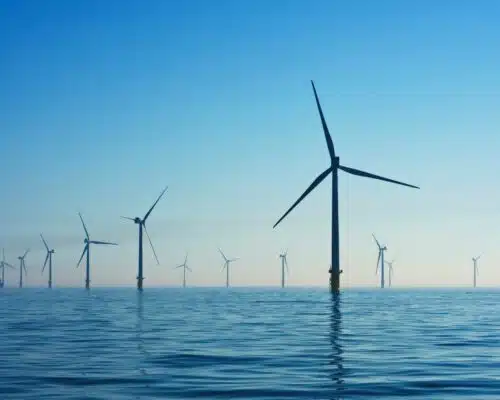
Cambodia can also benefit from maximising the use of renewable energy across its supply chain. EMBER has shown that Cambodia has the second highest renewable energy electricity potential per capita in Asia.
The Kingdom has made impressive strides in transitioning to homegrown renewable energy, which now makes up over 60% of installed power capacity with a target of 70% by 2030.
Electrification is the key to fully unlock Cambodia’s abundant renewable resources – putting the country’s wind, sun and rain to work across the economy.
As a result, Cambodia can offer international markets a manufacturing base that is clean, secure, and highly competitive. This forward-thinking approach is a direct lever to increase market share, maximise profits, and propel overall economic development.
Electrification provides Cambodia with a historic opportunity to turn global market demands and oil and gas import challenges into a springboard for an efficient economy. By harnessing the global momentum for electrification, the country can position itself as a leader in sustainable trade which will power its future economic development.
Dean Rizzetti is a Regional Co-Director at EnergyLab Southeast Asia, based in Phnom Penh, Cambodia. He is an experienced program manager and policy professional with expertise in climate change, energy and land-use, having worked in Kenya, Rwanda, Vietnam, Australia and Cambodia.
Disclaimer: The views and opinions expressed in this article are those of the author and do not necessarily reflect the official policy or position of Energy Tracker Asia.
Our Publications