Southeast Asia’s energy grid plan: One project at a time
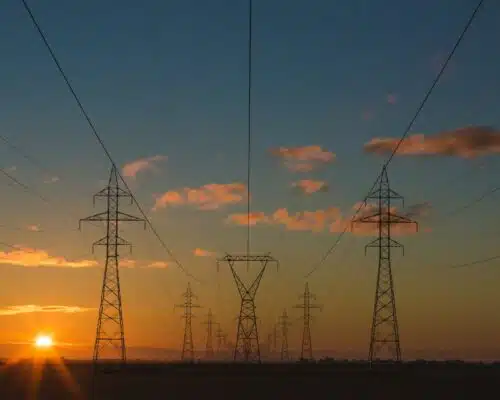
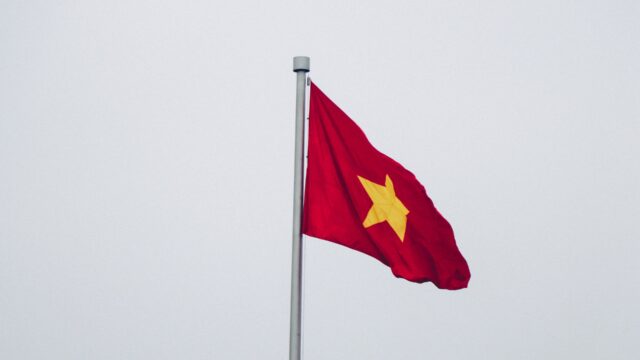
Photo: Monsoon Wind Power.
02 November 2026 – by Wendy Lo
The ASEAN Power Grid has been under discussion for more than two decades. At Singapore International Energy Week (SIEW) this week, a pragmatic path forward emerged: build regional electricity trade one project at a time.
A comprehensive regional agreement could take another decade to materialize, said Kim-See Lim, Chief Investment Officer for Public Sector (Region 1) and Financial Institutions and Funds (Global) at the Asian Infrastructure Investment Bank (AIIB). Bilateral projects, she argued, could lay the groundwork for wider integration in the meantime.
“Keep it simple, keep it small, and just keep moving,” she said.
The 600 MW Monsoon Wind project in Laos offers one example. The project became Asia’s first cross-border renewable energy project in August 2025 when it began exporting electricity to Vietnam. It was at the time the first wind farm in Laos and the largest in Southeast Asia. The Asian Development Bank (ADB) led its financing package, with support from AIIB and commercial lenders.
Yet Monsoon Wind also illustrates the work required to turn regional ambitions into operating projects. Securing financing took years of engagement with the Lao and Vietnamese governments. Replicating that process across the 18 priority projects identified under the ASEAN Power Grid framework presents a considerable challenge.
To help accelerate development, AIIB has earmarked USD 2 billion for ASEAN Power Grid-related investments. It also plans to allocate part of its net income in 2027 to project preparation, helping developers resolve technical, regulatory and financing obstacles before seeking funding.

Kim-See Lim of Asian Infrastructure Investment Bank (AIIB) at Singapore International Energy Week. Photo: AIIB.
Technology is ready, but regulatory frameworks lag
Financing alone will not unlock these projects. While the technology needed to connect national grids already exists, cross-border rules and approvals remain a barrier.
For interconnectors spanning more than 500 kilometres, high-voltage direct current (HVDC) cables and modern converter technology can support bidirectional electricity flows between countries, according to Alessandro Panico, Chief Commercial Officer at cable manufacturer Prysmian.
“From a technical perspective, there are no particular challenges in having systems connected to more countries,” Panico said. “The technologies are available.”
Turning that capability into infrastructure, however, requires certainty. Manufacturers need confidence in a project’s financing, electricity offtake arrangements and regulatory approvals before committing production capacity, specialist vessels and personnel.
Efforts to provide greater regulatory clarity are underway. A consortium is working with Singapore’s Ministry of Energy, Trade and Industry and Energy Market Authority (EMA) to develop ASEAN-wide guidelines for submarine power cables, covering regulatory approvals, governance and technical requirements across borders.
Key policy and regulatory provisions remain under negotiation among ASEAN governments, according to Georgie Skipper, CEO of Lucetia, an energy and infrastructure advisory firm in the consortium.
Energy costs strengthen the case for connectivity
Even as those negotiations continue, Lim expects the economic case for regional electricity trade to become harder for policymakers to ignore.
Southeast Asia remains heavily exposed to imported oil and LNG. Greater regional connectivity could diversify electricity supplies and reduce countries’ vulnerability to global fuel price volatility.
Strong cross-border connections are also a key enabler of the region’s energy transition, according to the International Energy Agency. By linking renewable sources and allowing countries to share surplus electricity, they can help integrate larger shares of wind and solar and lower overall system costs.
Rising energy costs, Lim said, are forcing policymakers to weigh continued reliance on expensive fuel imports against alternatives that could lower prices.
That pressure is translating into further project-level progress. At SIEW, Singapore’s EMA granted conditional approval to Sembcorp Utilities to import up to 1.3 GW of renewable electricity from Vietnam and Malaysia. Combining offshore wind from Vietnam with solar power and battery storage in Malaysia, the project aims to begin supplying Singapore by 2035.
by Wendy Lo
Wendy Lo is a journalist covering renewable energy and industrial decarbonization across the Asia-Pacific. Her reporting examines the policies and market dynamics shaping the region’s energy transition.
Read moreOur Publications