Singapore draws energy security plan as Indonesia cuts gas supply
Singapore’s Minister for Energy, Trade and Industry, Tan See Leng, at the Singapore International Energy Week. By Wendy Lo.
26 October 2026 – by Wendy Lo
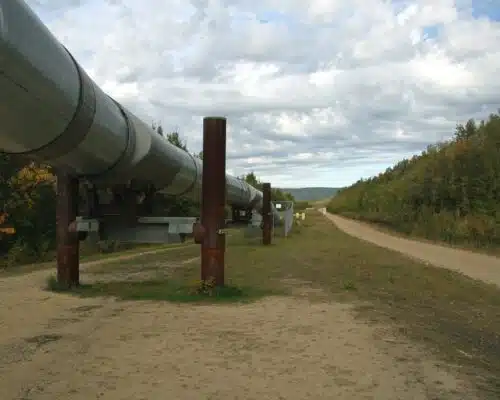
Indonesia has reduced pipeline gas exports to Singapore by roughly 9%, raising questions about regional energy co-operation and security measures.
The cut to gas trade by Indonesia came just before the start of Singapore International Energy Week (SIEW) on Monday, where industry and government officials gathered to discuss energy security and infrastructure investment.
Natural gas generates approximately 95% of Singapore’s electricity. Speaking at the opening plenary, Singapore’s Minister for Energy, Trade and Industry, Tan See Leng, played down the impact of the disruption from Indonesia, saying the reduction represented less than 2% of Singapore’s total daily gas demand and that the country had managed similar disruptions in the past.
State gas company GasCo had secured replacement supplies during the disruption to Qatari shipments earlier this year, and Tan said the same measures would apply to the latest reduction.
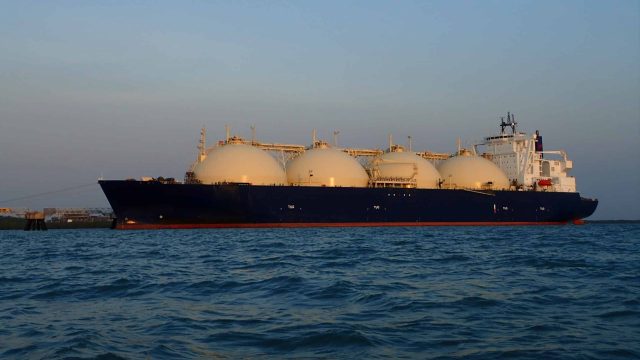
Tan also outlined longer-term energy security measures, including plans for Singapore to store Saudi crude oil at the Jurong Rock Caverns from the second half of 2027. The country’s LNG regasification capacity is expected to increase by 50% when a second terminal at Jurong Port comes online before 2030.
Still, Indonesia’s sudden cut to gas supplies highlighted the volatile nature of fossil fuel imports, particularly for countries with few natural resources.
New energy buildout
Singapore has a new five-year infrastructure plan that Tan described as the country’s most significant energy buildout in decades and aims to accommodate a large amount of gas imports.
Five new gas-fired power plants are scheduled to come online between 2026 and 2031, increasing generation capacity by 26% from around 12 GW. Grid investment will reach USD 4.1 billion (SGD 5.3 billion) between 2025 and 2029, eleven times the level of the preceding five years.
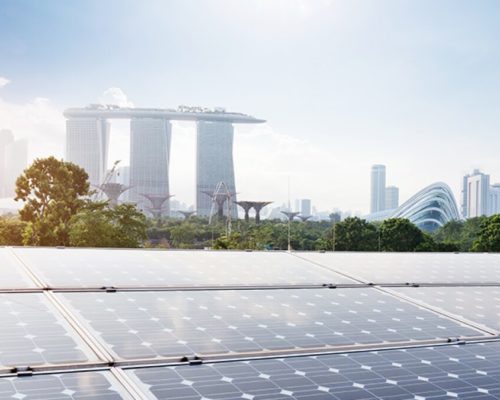
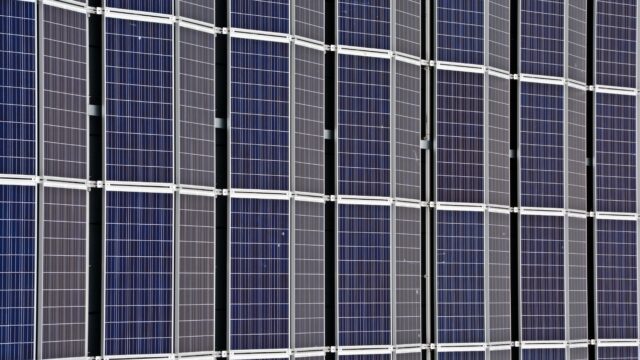
The plan also includes higher clean energy targets. Singapore raised its solar deployment target to 4 GWp by 2035, from previous target of 3 GWp by 2030, and plans to more than triple energy storage capacity to just over 1 GWh by 2030.

Singapore unveiled a five-year energy infrastructure plan, outlining investments in gas-fired power generation, electricity grids, solar energy and battery storage. Source: SIEW 2026.
Singapore’s Energy Market Authority (EMA) also awarded conditional approval to Sembcorp Utilities to import up to 1.3 GW of renewable electricity from and through Peninsular Malaysia, with Petronas among the consortium partners.
Christopher Len, Senior Fellow and Acting Coordinator of the Climate Change in Southeast Asia Programme at the ISEAS–Yusof Ishak Institute, told Energy Tracker Asia that the plan reflected Singapore’s approach of keeping multiple energy options open while expanding cleaner sources of power.
“This is not a choice between LNG and renewables,” he said. “Gas supports reliability in the near term, while a stronger grid, storage and solar make the system more flexible and resilient.”
Len added that individual setbacks were unlikely to alter the direction of Singapore’s energy transition, which would continue to be shaped by cost and economic competitiveness.
Challenges to infrastructure builout
Beyond Singapore’s energy security priorities, industry leaders at SIEW also discussed the challenges of financing and building Southeast Asia’s future energy infrastructure.
Speaking on a panel, Sembcorp group president and CEO Wong Kim Yin highlighted intensifying competition for capital. Major hyperscalers including Microsoft, AWS, Google, Alibaba Cloud and Tencent Cloud have committed tens of billions of dollars to data centre and cloud infrastructure across Southeast Asia, putting energy projects in direct competition for investment and equipment, Wong said.
Rayendra Sidik, vice president of commercial at Indonesia’s upstream oil and gas regulator SKK Migas, pointed to growing domestic gas demand from power generation, fertilizer production and other industries. In 2025, nearly 90% of Indonesia’s LNG terminal capacity was used by the power sector, he said.
Rising demand from hyperscale data centres is adding to the need for reliable, round-the-clock energy supplies, making demand forecasting and long-term planning increasingly important, Sidik said.
Meanwhile, Tengku Muhammad Taufik, president and group CEO of Malaysia’s Petronas, warned that roughly 80% of oil and gas capital expenditure goes towards maintaining existing production rather than developing new resources.
With 78% of the region still dependent on oil and gas, he said, national oil companies must balance immediate energy needs with preparations for a changing energy system. For Petronas, that means diversifying into lower-carbon energy sources over the medium term while expanding renewables over the longer term.
by Wendy Lo
Wendy Lo is a journalist covering renewable energy and industrial decarbonization across the Asia-Pacific. Her reporting examines the policies and market dynamics shaping the region’s energy transition.
Read moreOur Publications