Bangladesh

Foreign Investment in Bangladesh: Powering Renewable Energy
Introducing policy reforms to address existing barriers, de-risk projects, incentivise developers and improve investor confidence remains key for accelerating Bangladesh's clean energy transition and strengthening its energy security.

What Keeps Halting Bangladesh’s Solar Revolution
Experts warn that Bangladesh’s energy crisis will persist without a decisive shift toward renewable energy. While the political rhetoric for accelerating solar energy deployment to enhance energy security and affordability is growing stronger, structural and institutional barriers threaten to delay progress.

Bangladesh’s Textile Industry: The Engine Behind Solar Power Push
Renewable energy has long been considered critical for improving a company's sustainability profile amid ever-more demanding global supply chains. However, in the wake of the energy crisis, the Bangladeshi RMG industry sees it as a matter of survival and calls for a genuine policy commitment to make renewable energy commercially viable for factories.

What is China Doing in Bangladesh? Solar Revolution
Bangladesh has announced ambitious solar energy targets and leveraging China’s expertise, equipment and capital could be critical to achieving them. While China has promised support, the success of the bilateral partnership depends on Bangladesh overcoming project finance challenges.

Solar Energy Gives Bangladesh a Way Out of the Energy Crisis
The government is investing heavily in solar energy in Bangladesh to reduce dependence on fossil...

War in Middle East Threatens Bangladesh’s Energy Security
Bangladesh faces a mounting energy crisis as Middle East tensions disrupt LNG supply, pushing costs and subsidy burdens higher. With LNG accounting for a third of total gas and renewable options still underutilised, the country risks slower exports and economic strain unless it accelerates diversification into affordable, domestic renewables such as solar. A rapid scale-up of solar-plus-storage could unlock 50,000 MW of capacity using just 1% of agricultural land and shield Bangladesh from volatile global fuel markets.

New Direction for the Energy Sector After the 2026 Bangladesh Elections
Bangladesh is at a crossroads, and the direction it will choose will greatly influence the future of its energy sector, economy and population's well-being. What’s known is that the new government should prioritise leaving energy poverty and insecurity behind, and, with that, fossil fuels as well.
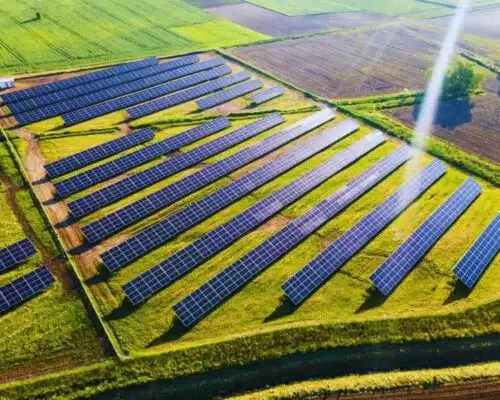
Foreign Direct Investment in Bangladesh: The Economic Impact
Bangladesh’s foreign direct investment in power and energy has entrenched fossil fuels, leaving renewables a mere 3% of electricity and worsening energy poverty and overcapacity. Policy hurdles, land conflicts and biased incentives have stalled a green transition, heightening economic and development risks.
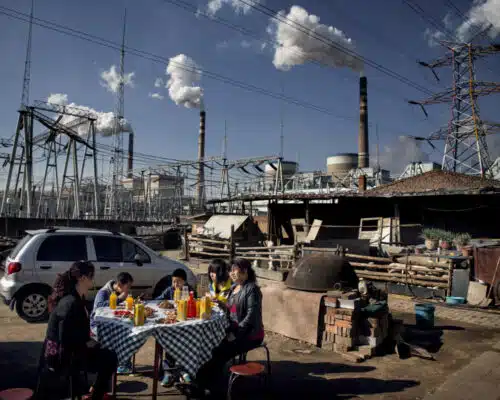
Stranded Assets Linked to MDB Finance Trigger Asia’s Economic Tailspins
Many Asian countries, including Bangladesh, face the economic fallout of investing in stranded fossil fuel assets. Despite billions spent on gas pipelines and power plants, these projects remain largely unused, highlighting the urgent need to shift towards affordable, renewable energy solutions.
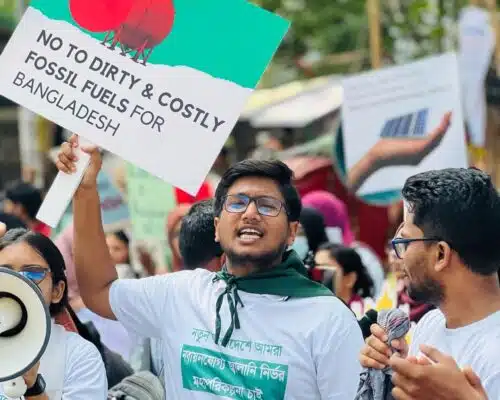
Bangladesh’s Predicament Deepens as Asia Braces for Expansion of Fossil Fuel Corporations
Bangladesh’s recent energy policies reveal a troubling shift toward expanding fossil fuel projects, including open-pit coal mining and LNG imports, despite ongoing issues with energy security and high costs. These developments, driven by political and international influences, threaten to deepen reliance on outdated fossil fuels while sidelining renewable energy efforts.
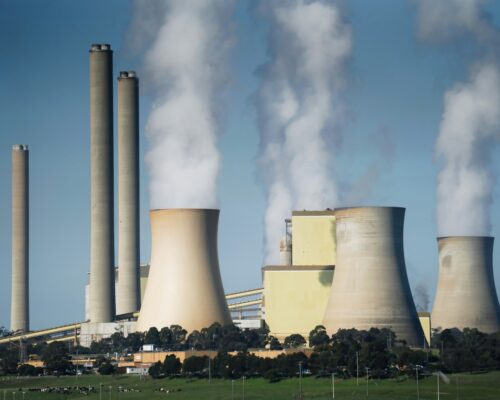
How Bangladesh and Pakistan Can Survive the Energy Crisis
Fossil fuel import dependence has put Pakistan and Bangladesh in a very similar situation. However, both countries' pathways for salvaging it are also comparable: diversifying their energy mixes with a focus on renewables and reduced reliance on deliveries.

Solar and Wind Power Potential in Bangladesh
Considering the huge solar and wind power potential in Bangladesh, the investment opportunities in renewable energy are there for the taking.
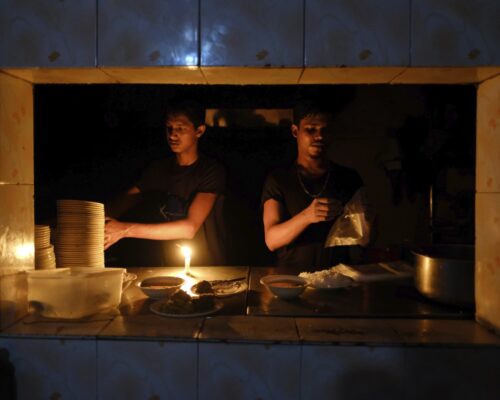
Energy Crisis in Bangladesh Highlights Risks of Fossil Fuels
Bangladesh sources most of its energy from fossil fuels, with natural gas making up the lion's share. Due to COVID-related supply chain issues and global political instability, fossil fuel prices are steadily climbing. As a result, the country has had to halt natural gas imports, leading to rolling blackouts. This highlights the risks associated with fossil fuel reliance and the need for local renewable energy production.
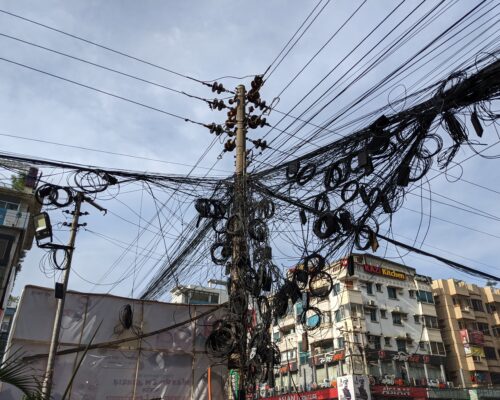
Bangladesh’s Energy Scenario in 2024
As Bangladesh recovers from energy shortages in 2022, there are questions about its energy stability in the coming years. While the country aims to produce 40% of its power from renewable sources by 2040, the current government is negotiating long-term LNG contracts. Without a switch to renewable energy, Bangladesh's energy grid will remain vulnerable to energy disruptions and the associated economic disruption.
Most Popular


Categories
-
10
-
41
-
128
-
5
-
17
-
47
-
52
-
11
-
10
-
15
-
24
-
6
-
1
-
5
-
6
-
320
-
202
-
18
-
24
-
1
-
1
-
23
-
40
-
44
-
89
-
18
-
88
-
43
-
21
-
13
-
46
-
55
-
86
-
305
-
22
-
49
-
36
-
18
-
42
-
37