Thailand

Southeast Asia’s EVs displace USD 560 Million in oil imports in six months
Rising EV adoption across Southeast Asia is reducing dependence on imported oil, with Vietnam emerging as a regional frontrunner, according to new analysis.
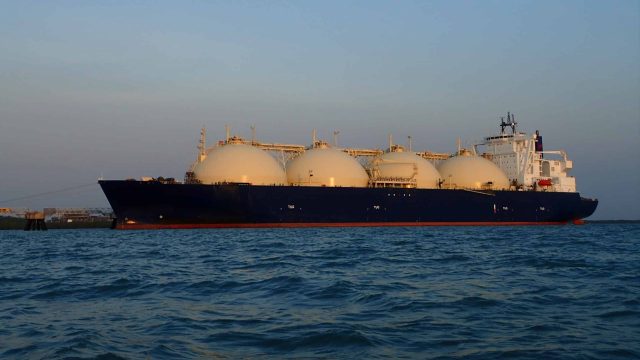
Thailand’s new power plan raises gas capacity despite LNG shock, drawing criticism
Thailand’s draft power plan would add 9.1 GW of gas-fired capacity by 2037, equivalent to...

Renewable Energy in Thailand: An Alternative to LNG
Promoting electricity generation from renewables can alleviate Thailand’s energy security concerns, accelerate its decarbonisation and protect businesses and consumers from high power costs during future energy crises, which, judging by history, will continue for as long as it relies on fossil fuel imports.

The Challenges Facing Thailand’s Plans to Become ASEAN’s LNG Hub
While LNG import-dependent ASEAN nations are once again among the most affected by yet another fossil fuel crisis, the second in just five years, Thailand remains steady in its plans to become a regional LNG hub — a move with potentially costly energy security, economic and climate consequences.

Thailand’s LNG Investment Plans Risk Undermining Its 51% Renewables Target For 2037
A decision to accelerate clean energy deployment rather than LNG imports should be seen not only as a way to bring Thailand closer to its net-zero and energy transition goals, but also as an enabler of economic growth, improved energy system resilience and more competitive electricity prices.

Thailand’s Rooftop Solar Boom and the Energy Crisis
Rooftop solar systems offer Thailand a unique opportunity to achieve its renewable energy targets and reduce its dependence on fossil fuels. By addressing key existing barriers, the country can unlock the full potential of rooftop solar, paving the way for a cleaner, greener future.
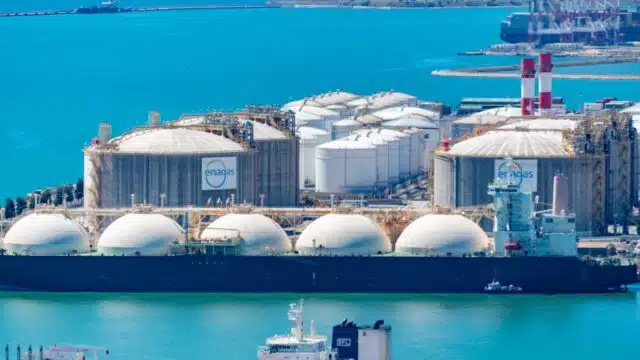
The High Cost of Thailand’s LNG Import Plans
Thailand’s plans to expand its LNG import infrastructure by building a third terminal won't help the country achieve the goals laid in its NDC 3.0, nor will they bring electricity costs down or improve the resilience of the energy system. Scaling up solar power, on the other hand, will.

Thailand’s Energy Sector in 2026
Thailand has come a long way from the discovery and domestic production of oil and natural gas. Today, LNG imports dominate its energy mix, with the country boasting the largest LNG import capacity in the region and planning to expand it further. However, experts warn this poses risks to Thailand's economy, environment, and net-zero goals.

2026 Thailand elections: Climate and Energy Take a Back Seat
Analysts don't expect the winning party to prioritise climate and the energy transition as standalone items in its political agenda, but instead consider them enablers for economic growth. Regardless of the approach, Thailand needs to phase out fossil fuels and accelerate renewables deployment to boost energy security, alleviate air pollution and ensure massive cost cuts.

How Thailand Can Transition from Gas Dependency Risks to Clean Energy Gains [Op-Ed]
Thailand’s growing dependence on imported Liquefied Natural Gas (LNG) bears the risk of becoming a costly vulnerability. Yet by redefining the role of gas and accelerating the shift to renewables, as well as incorporating flexibility and grid modernisation into its energy planning, Thailand can turn risk into resilience and build a cleaner, more competitive economy.
Most Popular




Categories
-
10
-
41
-
128
-
5
-
17
-
47
-
52
-
11
-
10
-
15
-
24
-
6
-
1
-
5
-
6
-
320
-
202
-
18
-
24
-
1
-
1
-
23
-
40
-
44
-
89
-
18
-
88
-
43
-
21
-
13
-
46
-
55
-
86
-
305
-
22
-
49
-
36
-
18
-
42
-
37