LNG

Thailand’s LNG Investment Plans Risk Undermining Its 51% Renewables Target For 2037
A decision to accelerate clean energy deployment rather than LNG imports should be seen not only as a way to bring Thailand closer to its net-zero and energy transition goals, but also as an enabler of economic growth, improved energy system resilience and more competitive electricity prices.

Solar Could Save ASEAN up to USD 67 Billion as LNG Prices Surge
Experts estimate that as fossil fuel prices soar, solar power could meet ASEAN’s new power needs at half the cost of gas, saving up to USD 67 billion. It would also significantly strengthen countries’ energy security, ensuring stable, domestically sourced energy.
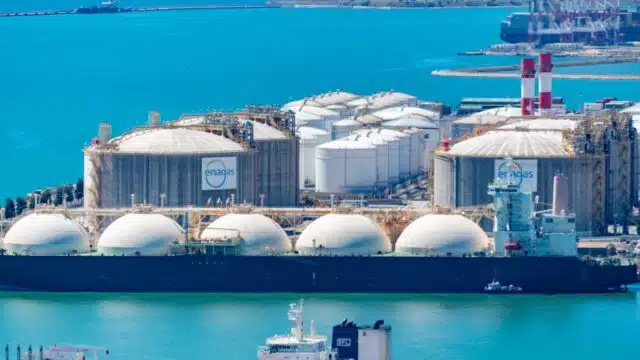
The High Cost of Thailand’s LNG Import Plans
Thailand’s plans to expand its LNG import infrastructure by building a third terminal won't help the country achieve the goals laid in its NDC 3.0, nor will they bring electricity costs down or improve the resilience of the energy system. Scaling up solar power, on the other hand, will.

Oil Prices Surge as US–Iran War Threatens Global Energy Supply
After the war in Ukraine, the current developments in Iran are yet another, potentially even starker reminder of the inherent unreliability and vulnerability of global oil and gas supply chains. Asian countries that failed to improve the resilience of their energy systems the first time around are now poised to suffer the greatest economic damage.

Thailand’s Energy Sector in 2026
Thailand has come a long way from the discovery and domestic production of oil and natural gas. Today, LNG imports dominate its energy mix, with the country boasting the largest LNG import capacity in the region and planning to expand it further. However, experts warn this poses risks to Thailand's economy, environment, and net-zero goals.
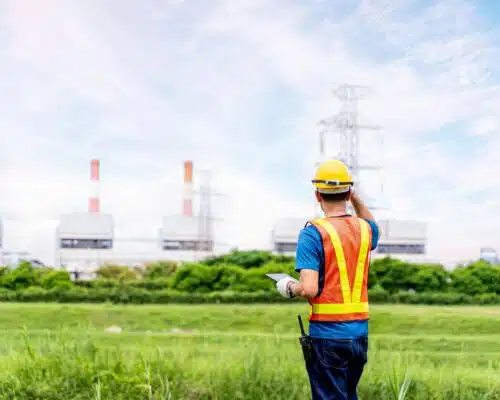
How Thailand Can Transition from Gas Dependency Risks to Clean Energy Gains [Op-Ed]
Thailand’s growing dependence on imported Liquefied Natural Gas (LNG) bears the risk of becoming a costly vulnerability. Yet by redefining the role of gas and accelerating the shift to renewables, as well as incorporating flexibility and grid modernisation into its energy planning, Thailand can turn risk into resilience and build a cleaner, more competitive economy.

Gas Turbine Shortage in Vietnam and the Philippines
Experts note that delays, exacerbated by global gas turbine shortages, and regulatory and bankability challenges are giving clear market signals to move away from gas projects and scale up renewables and battery storage deployments instead.
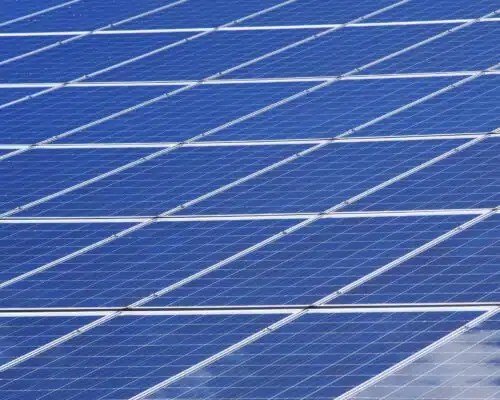
BNEF: Renewables Are Becoming Cheaper than Natural Gas in Southeast Asia
Despite the better economics, improved energy security and accelerated climate action that renewables guarantee, Southeast Asian nations plan for massive gas investments. Changing course requires political ambition for weaning energy systems off fossil fuels, pledging more ambitious climate targets and supporting clean energy developers.

Fueling the Empire: The Real Cost of Australia’s Gas Strategy – Podcast
Listen on Spotify, Apple Podcasts, Amazon Music and others In this episode of Energy Insights, we speak with Mia Watanabe, Climate...
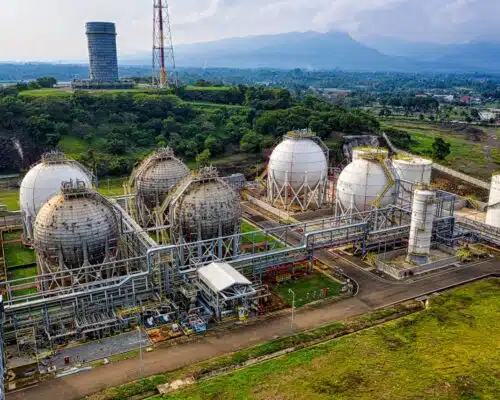
What’s Behind Gas Expansion in Australia – New Report
A new report reveals that Japanese and Korean corporate profits fuel gas expansion in Australia, jeopardising climate goals and posing financial risks. Despite warnings from the IEA that no new gas projects are needed for a net-zero future, Australia continues to expand LNG exports, risking increased emissions and environmental harm while locking in fossil fuel dependence.
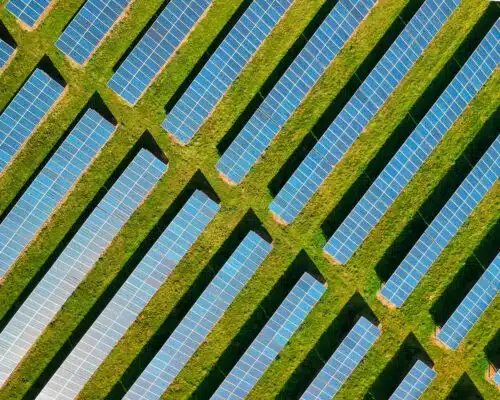
What Lawmakers in the Philippines Can Do To Lower Power Prices
While the Philippines has made strides in developing its clean energy market, accelerating the energy transition to levels consistent with a net-zero aligned pathway requires scaling up the build-up of renewables, expanding the power grid and limiting new fossil fuel capacity and imports.
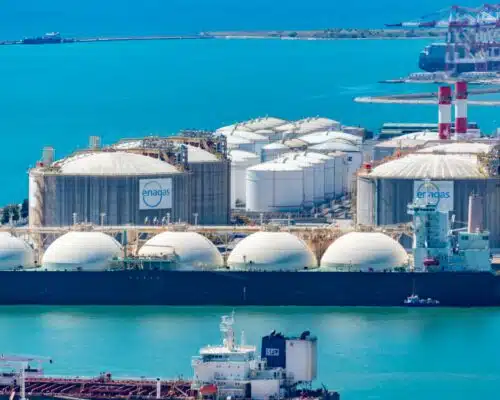
Philippines LNG Imports Costing Households Billions
Experts warn that plans to expand LNG import infrastructure, paired with the volatility of the fuel on global markets, will financially burden the country, as well as significantly increase electricity prices for consumers at times when cheaper, cleaner, renewable energy alternatives remain underutilised and readily available.
While Fossil Fuels Volatility Increases, Battery Storage Gets Cheaper, Making Solar Power Always Available
While solar is already the most viable solution for improving energy security, reducing power costs and mitigating carbon emissions, recent advancements and cost reductions in battery storage are now enabling us to ensure 24 hours of daily solar power. According to experts, the biggest obstacle to doing so is the business-as-usual mindset.
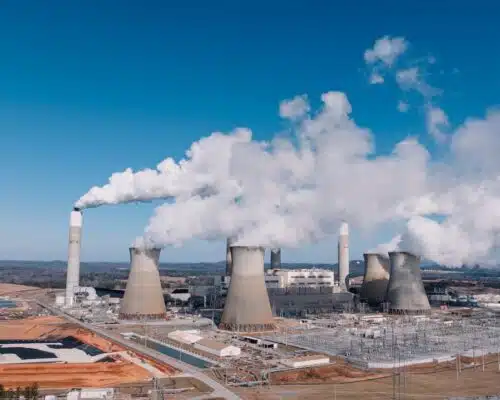
Fossil Fuel Divestment Scorecard: Japan “Dirtiest” Financier
Japanese banks have again emerged as the leading fossil fuel financiers in the region, while Southeast Asian financial institutions also play a prominent role. According to the report’s authors, their actions undermine the food security, biodiversity and health of millions in the region.
Most Popular



Categories
-
10
-
41
-
127
-
4
-
17
-
47
-
52
-
11
-
10
-
15
-
24
-
6
-
1
-
5
-
6
-
312
-
202
-
18
-
24
-
1
-
1
-
23
-
40
-
44
-
89
-
18
-
88
-
43
-
17
-
13
-
44
-
55
-
86
-
302
-
22
-
48
-
36
-
17
-
42
-
36