Renewable Energy
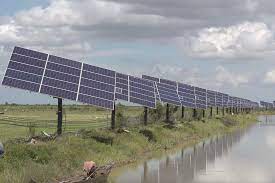
Electrification: An opportunity for development in Cambodia? [Op-Ed]
Cambodia has a lot to gain from seizing the opportunities offered by the global focus...

What Keeps Halting Bangladesh’s Solar Revolution
Experts warn that Bangladesh’s energy crisis will persist without a decisive shift toward renewable energy. While the political rhetoric for accelerating solar energy deployment to enhance energy security and affordability is growing stronger, structural and institutional barriers threaten to delay progress.

Bangladesh’s Textile Industry: The Engine Behind Solar Power Push
Renewable energy has long been considered critical for improving a company's sustainability profile amid ever-more demanding global supply chains. However, in the wake of the energy crisis, the Bangladeshi RMG industry sees it as a matter of survival and calls for a genuine policy commitment to make renewable energy commercially viable for factories.

Renewable Energy in Thailand: An Alternative to LNG
Promoting electricity generation from renewables can alleviate Thailand’s energy security concerns, accelerate its decarbonisation and protect businesses and consumers from high power costs during future energy crises, which, judging by history, will continue for as long as it relies on fossil fuel imports.

The Challenges Facing Thailand’s Plans to Become ASEAN’s LNG Hub
While LNG import-dependent ASEAN nations are once again among the most affected by yet another fossil fuel crisis, the second in just five years, Thailand remains steady in its plans to become a regional LNG hub — a move with potentially costly energy security, economic and climate consequences.

Thailand’s LNG Investment Plans Risk Undermining Its 51% Renewables Target For 2037
A decision to accelerate clean energy deployment rather than LNG imports should be seen not only as a way to bring Thailand closer to its net-zero and energy transition goals, but also as an enabler of economic growth, improved energy system resilience and more competitive electricity prices.

Solar Could Save ASEAN up to USD 67 Billion as LNG Prices Surge
Experts estimate that as fossil fuel prices soar, solar power could meet ASEAN’s new power needs at half the cost of gas, saving up to USD 67 billion. It would also significantly strengthen countries’ energy security, ensuring stable, domestically sourced energy.

Bridging the Gender Gap: The Benefits of Including More Women in Asia’s Energy Sector
Empowering women to participate fully and thrive economically and professionally, especially in the energy sector, is central to a just energy transition. While, globally, there has been progress, albeit slow, Asia stands out as one of the regions where gender inequality in the transition remains most severe.
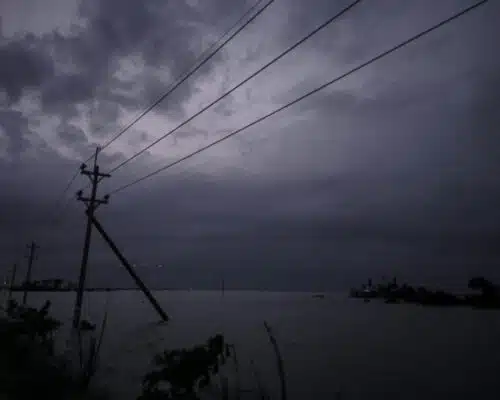
Strengthening Energy Resilience to Overcome Power Outages in Southeast Asia
As extreme weather disasters strike, causing long-lasting outages, disrupting access to essential services and threatening the health of people in affected areas, such events have been common in Southeast Asia recently. The aftermath reminds us of the importance of strengthening the energy system’s resilience. However, in most Asian countries, it remains neglected in climate change adaptation and resilience policies.

2026 Renewable Energy Outlook: A Potentially Quieter Year, But Steady Growth to Continue
While most experts anticipate a potentially quieter 2026 for the renewable energy industry, new capacity deployment is expected to continue growing, primarily driven by China. This will ultimately seal the fate of coal power, further accelerating its decline. Still, more ambitious and urgent action is needed to achieve a triple increase in renewable energy capacity by 2030.
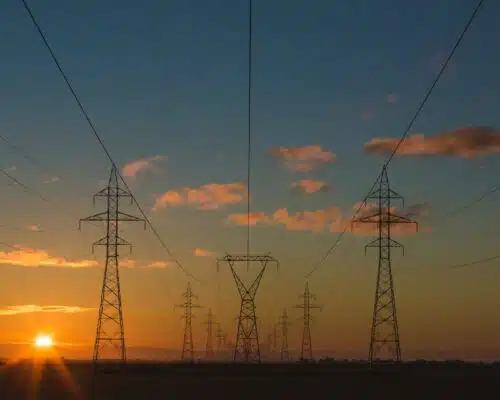
What COP30 Should Deliver to Advance the ASEAN Power Grid
The regional grid, a decades-old concept, could significantly accelerate Southeast Asia’s transition to renewables, ensuring stable, secure, clean and affordable electricity for countries in the region. However, for that to happen, leaders at COP30 must address the policy and financing roadblocks impeding the initiative.
Proposed Ammonia Co-firing Solutions More Expensive than Renewables
The LCOE for ammonia co-firing exceeds that of renewable electricity, rendering Southeast Asia’s plans economically unfeasible. According to experts, instead of exposing themselves to the financial, environmental and health risks associated with ammonia co-firing, ASEAN nations should prioritise the accelerated deployment of renewable energy.
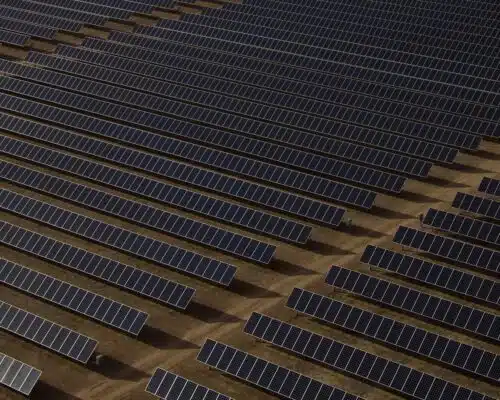
Renewable Energy Trends 2025: Capacity to Double by 2030
Despite the positive trends, the IEA warns that the COP28 to triple clean energy capacity remains out of reach. To get back on track, countries should minimise policy uncertainties, reduce permitting timelines, increase grid investments and expand flexibility to facilitate the integration of variable renewables and derisk financing.
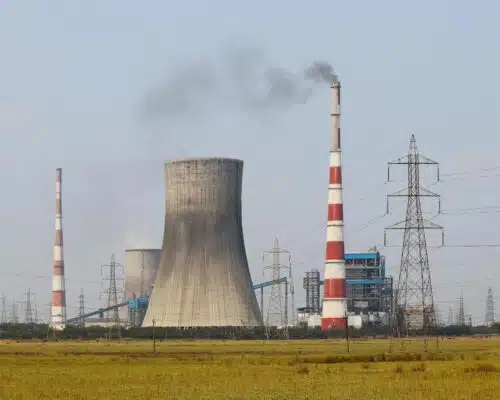
CREA: Indonesia’s RUPTL Plan Puts Fossil Fuels First, Renewable Energy Later
According to CREA, Indonesia’s RUPTL 2025-2034 reveals major discontent between the ambitious climate pledges and public commitments of the country’s leadership and the real plans, which see a projected growth and a pivotal role for fossil fuels.
Most Popular


Categories
-
10
-
41
-
128
-
5
-
17
-
47
-
52
-
11
-
10
-
15
-
24
-
6
-
1
-
5
-
6
-
316
-
202
-
18
-
24
-
1
-
1
-
23
-
40
-
44
-
89
-
18
-
88
-
43
-
18
-
13
-
45
-
55
-
86
-
304
-
22
-
48
-
36
-
18
-
42
-
36