Features

Asia’s LNG Growth Model Faces a Structural Demand Problem, Experts Say
For years, LNG has been marketed to Asian policymakers and investors as a bridge fuel — reliable enough to anchor industrial growth and contractable enough to justify long-term infrastructure. Six months of disruption around the Strait of Hormuz have not invented a new argument against that model. They have accelerated one that was already building, with USD 400 billion in committed LNG capital now at risk of stranding as demand destruction spreads across the region.

LNG Struggles to Deliver Stable Power for Asia’s Data Center Boom
As hyperscalers expand server capacity across Asia, LNG has been promoted as a reliable source of round-the-clock power for digital infrastructure. Six months of disruption around the Strait of Hormuz have challenged that argument. Asia-Pacific's data center pipeline has surpassed 26,000 MW, but at current prices LNG-fired generation costs USD 212 per MWh — more than five times the global average cost of solar power.

Asia Reassesses LNG Reliance After Six Months of Hormuz Disruption
When energy planners across Asia assessed the risks of LNG dependence, a major geopolitical supply disruption was often treated as a tail risk. Six months of disruption around the Strait of Hormuz have changed that. Asian LNG demand has fallen for two consecutive years, 47 proposed power plants worth USD 52 billion have been cancelled or stalled, and the fiscal strain is spreading from energy bills into currency markets and public finances.

Foreign Investment in Bangladesh: Powering Renewable Energy
Introducing policy reforms to address existing barriers, de-risk projects, incentivise developers and improve investor confidence remains key for accelerating Bangladesh's clean energy transition and strengthening its energy security.

What Keeps Halting Bangladesh’s Solar Revolution
Experts warn that Bangladesh’s energy crisis will persist without a decisive shift toward renewable energy. While the political rhetoric for accelerating solar energy deployment to enhance energy security and affordability is growing stronger, structural and institutional barriers threaten to delay progress.

Can Untapped Rooftop Solar Energy Help the Power-stressed Visayas?
Weeks of power disruptions across the Visayas, Philippines, have exposed the economic and social costs of relying on large, centralised coal plants. Experts state that accelerating rooftop solar could significantly alleviate the power supply crisis by offering an immediate, decentralised alternative.

Bangladesh’s Textile Industry: The Engine Behind Solar Power Push
Renewable energy has long been considered critical for improving a company's sustainability profile amid ever-more demanding global supply chains. However, in the wake of the energy crisis, the Bangladeshi RMG industry sees it as a matter of survival and calls for a genuine policy commitment to make renewable energy commercially viable for factories.

What is China Doing in Bangladesh? Solar Revolution
Bangladesh has announced ambitious solar energy targets and leveraging China’s expertise, equipment and capital could be critical to achieving them. While China has promised support, the success of the bilateral partnership depends on Bangladesh overcoming project finance challenges.

Pakistan’s Solar Boom Shows What’s Holding Bangladesh Back
Pakistan's solar transformation has accelerated at a pace unmatched in South Asia, with solar power supplying over a quarter of its utility electricity in early 2025—driven not by government mandates but by consumer economics. Meanwhile, Bangladesh's renewable energy ambition remains stalled by misaligned financing and slow implementation, with loans for energy efficiency outpacing those for renewable energy by more than five to one. The contrast reveals a clear truth: market incentives and policy certainty drive adoption, while targets alone cannot deliver energy security.

Solar Energy Gives Bangladesh a Way Out of the Energy Crisis
The government is investing heavily in solar energy in Bangladesh to reduce dependence on fossil...

Energy Security and Affordability Arguments Mean the “Electrify Now” Moment is Here
In response to the second global energy crisis in five years, governments, businesses, and NGOs are launching the Electrify Now campaign. The initiative aims to accelerate the transition away from fossil fuels and scale up investments and support for modern energy systems powered by clean electricity that would ensure more reliable and affordable energy.
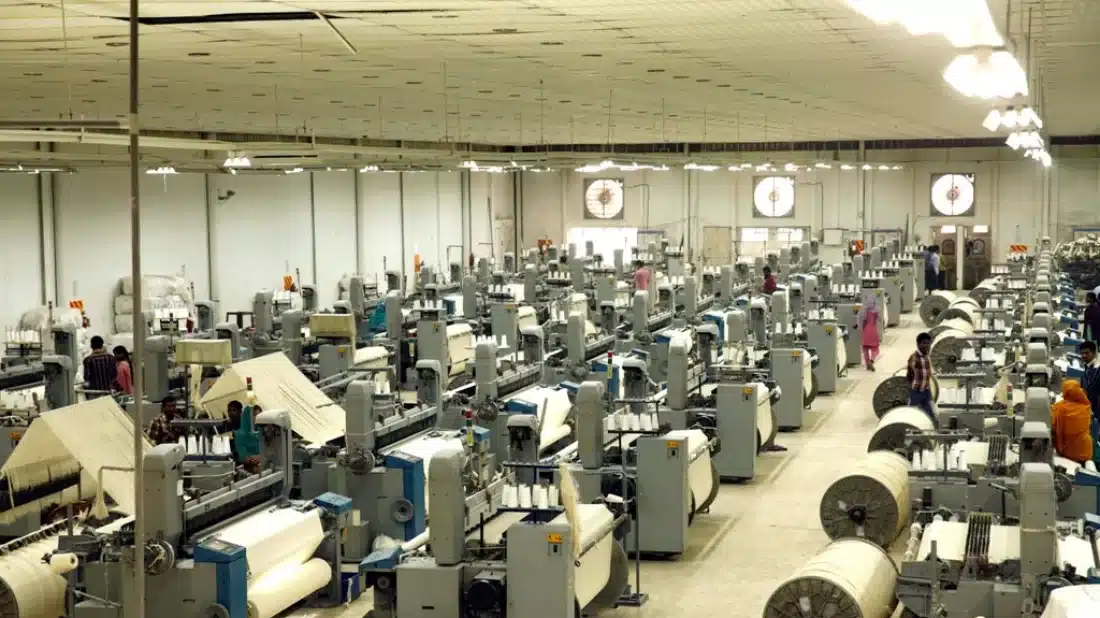
Reliance on LNG Sparks Bangladesh’s Energy Crisis, Hitting Factories, Exports
Bangladesh’s energy crisis is unravelling its export engine as LNG dependence and import shocks push up costs, threaten production, and strain public finances. With power outages intensifying and long-term contracts disrupted, the country must pivot toward renewables and energy efficiency to shield industry and growth from volatile global fuels.

Renewable Energy in Thailand: An Alternative to LNG
Promoting electricity generation from renewables can alleviate Thailand’s energy security concerns, accelerate its decarbonisation and protect businesses and consumers from high power costs during future energy crises, which, judging by history, will continue for as long as it relies on fossil fuel imports.

The Challenges Facing Thailand’s Plans to Become ASEAN’s LNG Hub
While LNG import-dependent ASEAN nations are once again among the most affected by yet another fossil fuel crisis, the second in just five years, Thailand remains steady in its plans to become a regional LNG hub — a move with potentially costly energy security, economic and climate consequences.
Most Popular



Categories
-
10
-
41
-
127
-
4
-
17
-
47
-
52
-
11
-
10
-
15
-
24
-
6
-
1
-
5
-
6
-
310
-
202
-
18
-
24
-
1
-
1
-
23
-
40
-
44
-
89
-
18
-
88
-
43
-
17
-
13
-
44
-
55
-
86
-
302
-
22
-
48
-
36
-
17
-
42
-
36