energy transition

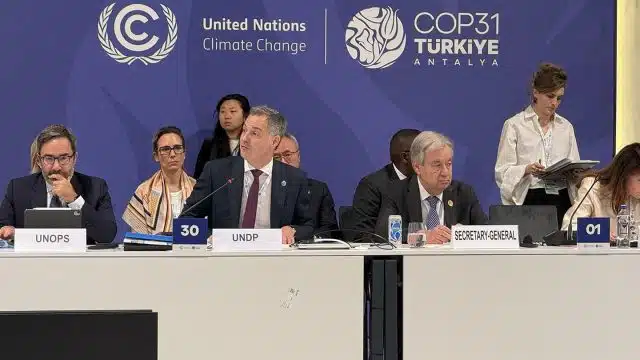
COP31 ends without a deal. What does it mean for Asia’s energy transition?
Despite the failure of global climate negotiations at COP31, Asia’s electrification push is gaining momentum. However, concerns persist over carbon capture and climate finance.

Extending energy crisis policies would cut fuel import bills, IEA says
The IEA says Southeast Asia could cut its fossil fuel import bill by more than 20% by 2035 by making its Hormuz policy responses permanent. Grid investment and affordable financing remain key to realizing these gains.
Indonesia joins global rooftop solar push promoted at COP31
As discussions on the sidelines of COP31 highlight the role of rooftop solar and power grids, Southeast Asia faces the dual challenge of expanding access to clean electricity and strengthening the infrastructure needed to deliver it.

ASEAN advances energy security as experts urge faster clean energy shift
ASEAN energy ministers have made new commitments on power trade, data transparency and oil security. Experts say more action is needed - faster - after a year of fuel price shocks.

Solar Could Save ASEAN up to USD 67 Billion as LNG Prices Surge
Experts estimate that as fossil fuel prices soar, solar power could meet ASEAN’s new power needs at half the cost of gas, saving up to USD 67 billion. It would also significantly strengthen countries’ energy security, ensuring stable, domestically sourced energy.

Bridging the Gender Gap: The Benefits of Including More Women in Asia’s Energy Sector
Empowering women to participate fully and thrive economically and professionally, especially in the energy sector, is central to a just energy transition. While, globally, there has been progress, albeit slow, Asia stands out as one of the regions where gender inequality in the transition remains most severe.
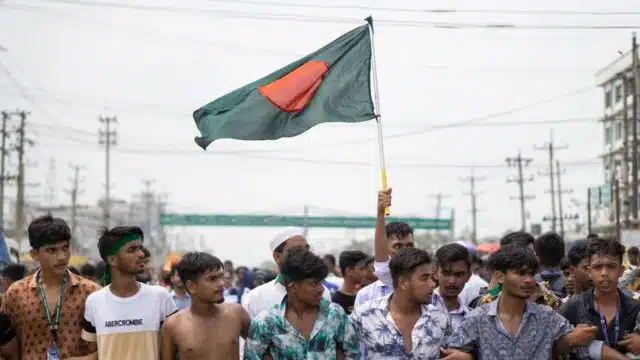
New Direction for the Energy Sector After the 2026 Bangladesh Elections
Bangladesh is at a crossroads, and the direction it will choose will greatly influence the future of its energy sector, economy and population's well-being. What’s known is that the new government should prioritise leaving energy poverty and insecurity behind, and, with that, fossil fuels as well.

2026 Thailand elections: Climate and Energy Take a Back Seat
Analysts don't expect the winning party to prioritise climate and the energy transition as standalone items in its political agenda, but instead consider them enablers for economic growth. Regardless of the approach, Thailand needs to phase out fossil fuels and accelerate renewables deployment to boost energy security, alleviate air pollution and ensure massive cost cuts.

Strengthening Energy Resilience to Overcome Power Outages in Southeast Asia
As extreme weather disasters strike, causing long-lasting outages, disrupting access to essential services and threatening the health of people in affected areas, such events have been common in Southeast Asia recently. The aftermath reminds us of the importance of strengthening the energy system’s resilience. However, in most Asian countries, it remains neglected in climate change adaptation and resilience policies.

After Seizing Venezuela Oil, Trump Quits 66 International Organisations: The Impacts
Scientists, market experts public and private stakeholders argue that Trump's latest moves won't erase climate science. While they will definitely derail the global efforts to tame the climate crisis, the biggest damage would be done to the US, its economy, global stature and relationship with allies.

2026 Renewable Energy Outlook: A Potentially Quieter Year, But Steady Growth to Continue
While most experts anticipate a potentially quieter 2026 for the renewable energy industry, new capacity deployment is expected to continue growing, primarily driven by China. This will ultimately seal the fate of coal power, further accelerating its decline. Still, more ambitious and urgent action is needed to achieve a triple increase in renewable energy capacity by 2030.
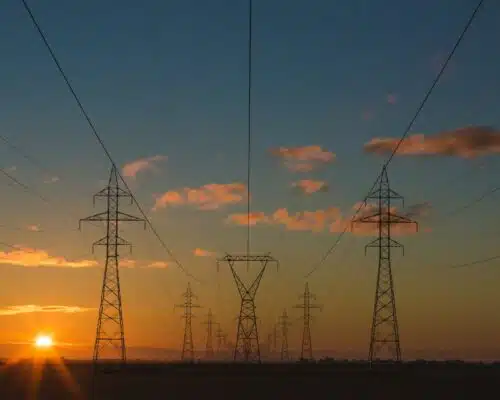
What COP30 Should Deliver to Advance the ASEAN Power Grid
The regional grid, a decades-old concept, could significantly accelerate Southeast Asia’s transition to renewables, ensuring stable, secure, clean and affordable electricity for countries in the region. However, for that to happen, leaders at COP30 must address the policy and financing roadblocks impeding the initiative.

China’s 2035 NDC: Emissions to Drop 7-10%, Analysts Concerned
There are targets, and then there’s reality, and China’s 2035 NDC perfectly embodies this. While the targets are weak, it is hard to imagine that they weren’t set on purpose, just to be broken afterwards — a habit China has demonstrated over the years.

Climate Governance at an All-time High But Challenges Remain
Analysing the progress made in the decade after the Paris Agreement, DDP experts find that climate governance has put us on the right trajectory. However, a lot of work is left, and countries need to scale and accelerate their efforts to avoid the worst impacts of the climate crisis and unlock economic growth and resilience along the way.
Most Popular



Categories
-
10
-
41
-
128
-
5
-
17
-
47
-
52
-
11
-
10
-
15
-
24
-
6
-
1
-
5
-
7
-
6
-
331
-
202
-
18
-
24
-
1
-
1
-
23
-
40
-
46
-
90
-
19
-
88
-
46
-
24
-
13
-
46
-
55
-
86
-
307
-
24
-
50
-
36
-
18
-
42
-
37