Fossil Fuel

Extending energy crisis policies would cut fuel import bills, IEA says
The IEA says Southeast Asia could cut its fossil fuel import bill by more than 20% by 2035 by making its Hormuz policy responses permanent. Grid investment and affordable financing remain key to realizing these gains.

Japan proposes Asian oil security group as electrification gathers pace
Japan has proposed creating a new Asian task force to improve cooperation on oil security,...

Singapore draws energy security plan as Indonesia cuts gas supply
Singapore unveiled plans for five new gas-fired power plants, USD 4.1 billion in grid investment, higher solar and energy storage targets, and expanded renewable electricity imports from Malaysia.

Asia Reassesses LNG Reliance After Six Months of Hormuz Disruption
When energy planners across Asia assessed the risks of LNG dependence, a major geopolitical supply disruption was often treated as a tail risk. Six months of disruption around the Strait of Hormuz have changed that. Asian LNG demand has fallen for two consecutive years, 47 proposed power plants worth USD 52 billion have been cancelled or stalled, and the fiscal strain is spreading from energy bills into currency markets and public finances.

Is Natural Gas a Fossil Fuel and Can it Be Renewable?
Despite its "clean" reputation, natural gas is unequivocally a fossil fuel, formed from ancient organic matter over millions of years. While it burns more cleanly than coal at the point of combustion, its primary component — methane — is a potent greenhouse gas driving climate change. As production surges to record highs, the debate intensifies over whether it is a viable "bridge fuel" or a significant obstacle to a renewable future.

US EPA Repeals the Endangerment Finding: Big Blow to the Fight Against Climate Change
Revoking the endangerment finding would pose far-reaching and long-lasting environmental, climate and health consequences, with not only local but also global importance. Worryingly, scientists believe this won’t be the last of the US administration’s moves to support the fossil fuel industry and attack climate action.

LNG Prices in 2026: From Seller’s Market to Buyer’s Advantage
Global LNG supply is set to surge in 2026, with roughly 93–150 million tonnes per annum of new capacity coming online, pushing prices downward and shifting the market from seller-led to buyer-led. Despite a welcomed demand uptick in Asia, Europe’s imports are expected to stabilise, while China’s rebound remains pivotal to absorbing the wave.

Oil Prices Surge as US–Iran War Threatens Global Energy Supply
After the war in Ukraine, the current developments in Iran are yet another, potentially even starker reminder of the inherent unreliability and vulnerability of global oil and gas supply chains. Asian countries that failed to improve the resilience of their energy systems the first time around are now poised to suffer the greatest economic damage.

Thailand’s Energy Sector in 2026
Thailand has come a long way from the discovery and domestic production of oil and natural gas. Today, LNG imports dominate its energy mix, with the country boasting the largest LNG import capacity in the region and planning to expand it further. However, experts warn this poses risks to Thailand's economy, environment, and net-zero goals.

After Seizing Venezuela Oil, Trump Quits 66 International Organisations: The Impacts
Scientists, market experts public and private stakeholders argue that Trump's latest moves won't erase climate science. While they will definitely derail the global efforts to tame the climate crisis, the biggest damage would be done to the US, its economy, global stature and relationship with allies.
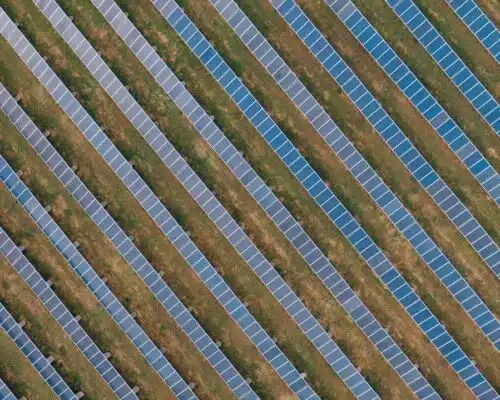
Proposed Ammonia Co-firing Solutions More Expensive than Renewables
The LCOE for ammonia co-firing exceeds that of renewable electricity, rendering Southeast Asia’s plans economically unfeasible. According to experts, instead of exposing themselves to the financial, environmental and health risks associated with ammonia co-firing, ASEAN nations should prioritise the accelerated deployment of renewable energy.

Gas Turbine Shortage in Vietnam and the Philippines
Experts note that delays, exacerbated by global gas turbine shortages, and regulatory and bankability challenges are giving clear market signals to move away from gas projects and scale up renewables and battery storage deployments instead.

China’s 2035 NDC: Emissions to Drop 7-10%, Analysts Concerned
There are targets, and then there’s reality, and China’s 2035 NDC perfectly embodies this. While the targets are weak, it is hard to imagine that they weren’t set on purpose, just to be broken afterwards — a habit China has demonstrated over the years.

UBS Quits the Net-Zero Banking Alliance: The Consequences
The mass exodus of UBS and other leading banks from the NZBA has made the coalition a thing of the past, sending a clear signal to the market that climate change has become even less of a priority for financial institutions. For Southeast Asia, one of the most climate-vulnerable regions and a hotspot for fossil fuel expansion, this outlook leaves little room for optimism.
Most Popular



Categories
-
10
-
41
-
128
-
5
-
17
-
47
-
52
-
11
-
10
-
15
-
24
-
6
-
1
-
5
-
7
-
6
-
331
-
202
-
18
-
24
-
1
-
1
-
23
-
40
-
46
-
90
-
19
-
88
-
46
-
24
-
13
-
46
-
55
-
86
-
307
-
24
-
50
-
36
-
18
-
42
-
37