India
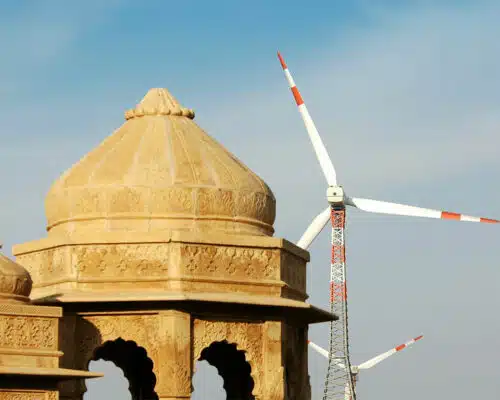
Top Wind Energy Companies in India 2024
India is aiming to triple its wind energy capacity by 2030. This will require significant growth within the wind sector and supportive government policies. The sector is on track to grow at an 8% compound annual growth rate over the next decade.
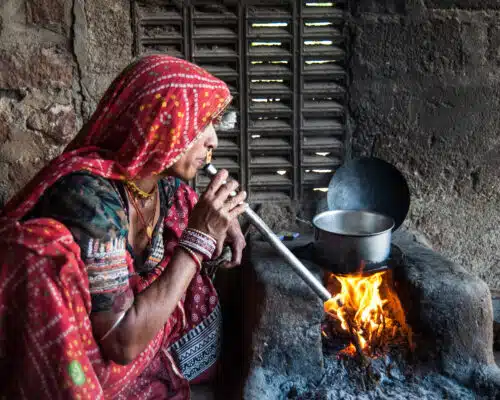
How Solving Energy Poverty Will Boost Health and Climate Goals
We speak with Sugandha Srivastav of Oxford University about energy poverty, access and developmental economics.
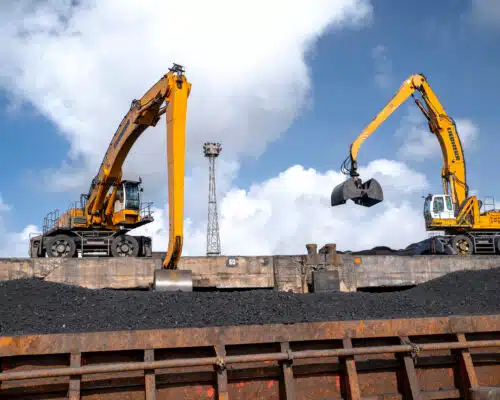
India-Australia Free Trade Agreement’s True Impact on India’s Coal Imports
With the India-Australia bilateral trade agreement (IAFTA) coming into force, will coal from Australia really be 2.5% cheaper and entice India to up its imports?
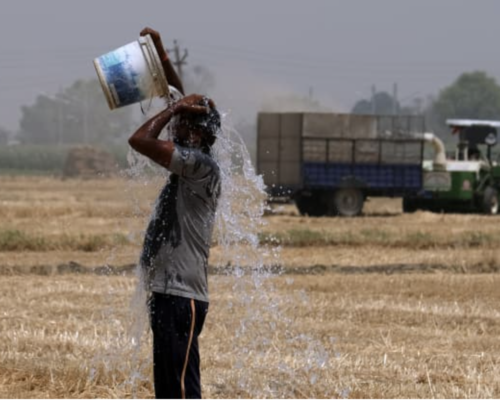
Power Crisis in India – Picking up the Pieces After the Heatwave
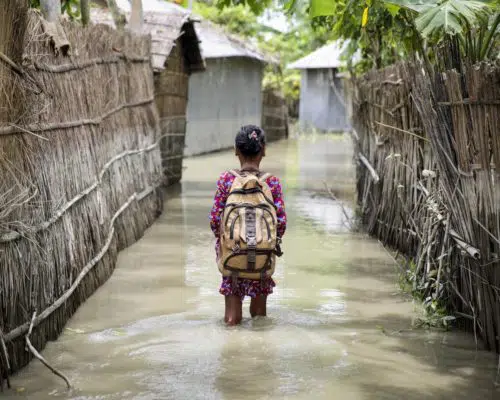
India’s poorest communities are still reeling from the intense heatwave that recently enveloped the country. At the same time, infrastructure assets are struggling to cope with this climatic upheaval. What could be the way out?

2022 Heat Wave in India and Pakistan – New Scientific Report
The World Weather Attribution Indian Pakistan heatwave study is a reminder that the climate crisis grows more severe by the day.
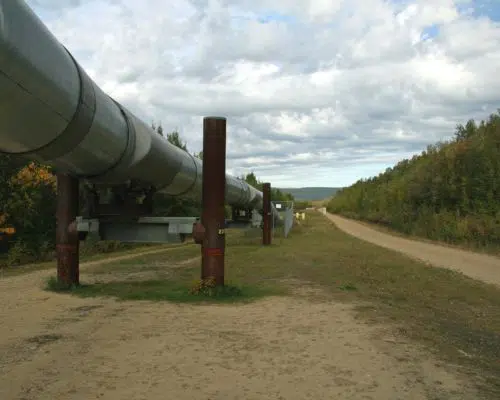
The Global Natural Gas Pipeline Expansion Plans and Climate Impacts
The world is at an inflexion point between speeding up the renewable energy transition and locking itself in fossil fuels. The latest reports make a strong case for the latter.
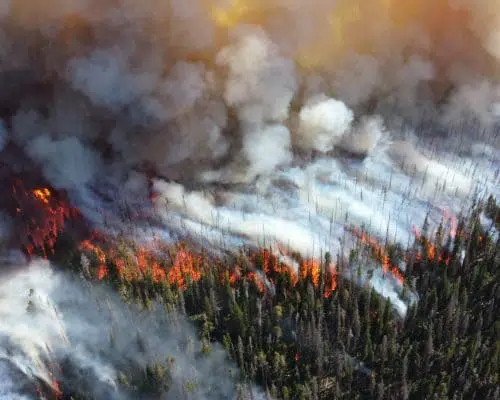
IPCC Report: Climate Finance for Adaptation Must Increase for Developing Countries
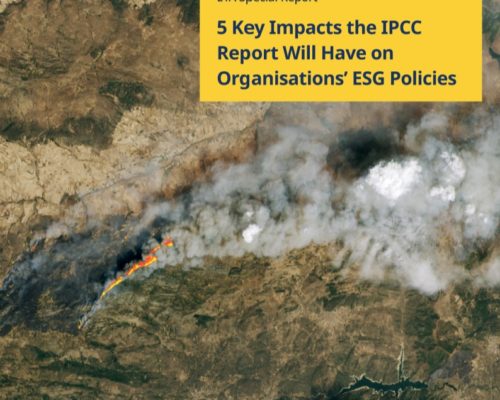
The latest IPCC Working Group II report largely stresses the need to accelerate climate adaptation, eradicate injustice and end the use of fossil fuels. The report, ‘Climate Change 2022: Impacts, Adaptation, and Vulnerability,’ emphasised that coal and other fossil fuels are choking humanity.
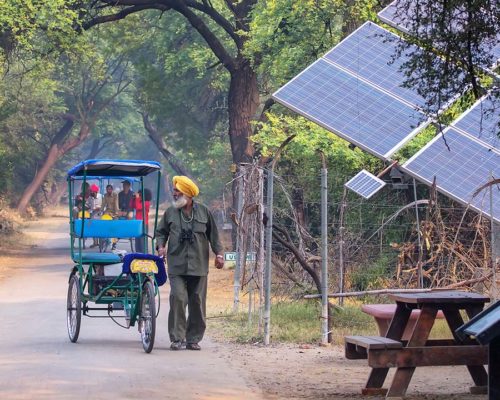
Where Does India Stand in the Energy Transition?
India has one of the largest installed renewable energy capacities globally, but the country's current share of renewable energy does not cover its "fair share" of decarbonisation efforts. However, with its GDP steadily growing, it is perfect timing for India to capitalise on renewables.

Global Economic Recovery after COVID-19 Pandemic – What 2022 Holds for the Energy Market
We sit with experts and stakeholders from all parts of the energy market to discuss what 2021 taught us, how will the global economic recovery continue in 2022 and which will be the decisive factors for the energy market and climate finance in Asia going forward.
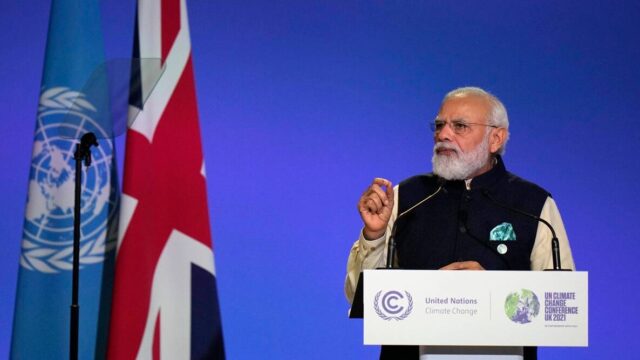
India After COP26: Tackling Coal Dependence Head On
India made five major climate pledges at COP26 culminating with a 2070 net-zero target. Unfortunately, there are many hurdles for the country to reach this target - most significantly the country's reliance on coal and inefficient energy grid. Full adoption of renewable energy hinges on government policy to incentive domestic and international investment.

Solar Homes: The ‘Mini Power Stations’ Popping Up Across India
The prospect of solar was first discussed in 1961-66 signifying India’s consciousness for reducing carbon footprint. Since then a total of 60 cities have been selected across the country for solarisation with the primary objective of decreasing the projected demand of conventional energy and motivating local governments to adopt renewable energy technologies and energy efficiency measures.
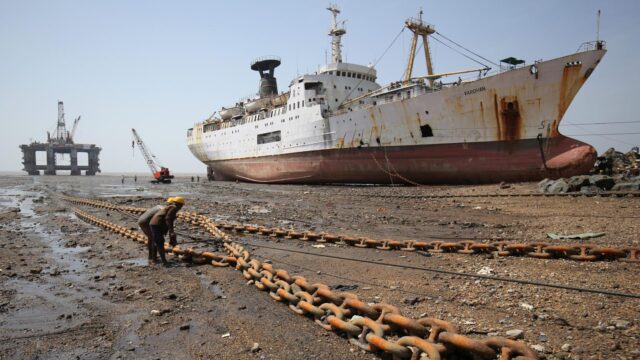
Oil and Gas in India: What is the Way Forward?
Oil and gas play a major part of India's energy mix. Unfortunately, India remains focused on the sector, and is making substantial investment towards natural gas in the coming decades. This move remains at odds with global emissions targets and puts India at risk of missing the economic benefits of renewable energy development.
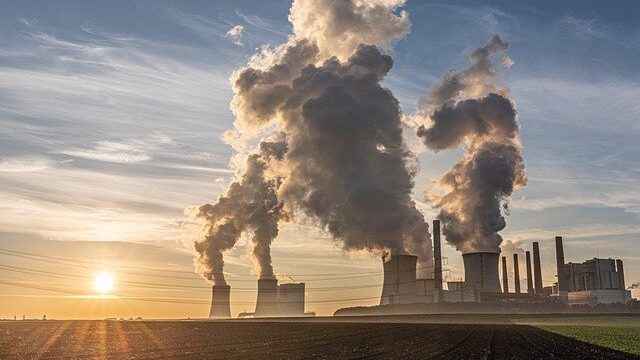
COP26: How Lack of Climate Finance Derails Coal Phase-out Agenda
The chaos around the last-minute change in the coal declaration by India, China and South Africa at COP26 has certainly made it harder to reach the 1.5-degree target. At the Glasgow UN climate summit, nations pledged to phase-out coal, reduce methane, end deforestation and support the energy transition, etc. With the USD 100 billion pledge of climate finance still not being fulfilled, small and developing countries called for climate justice. Many nations now plan to revisit their commitment by the end of 2022.
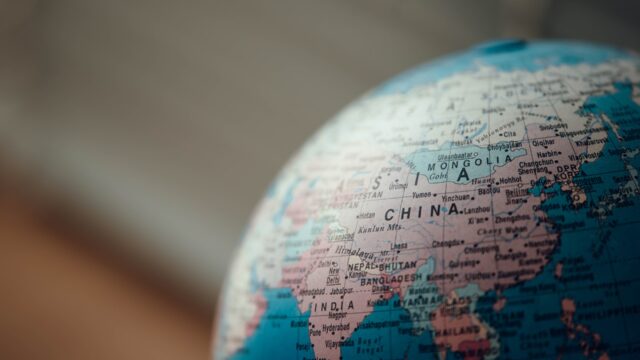
Countries Gearing Toward the Clean Energy Transition
Asia is the main engine behind the clean energy revolution. Developing and developed markets across the continent are now increasingly working towards a sustainable future. While challenges remain, the opportunities are huge. China, India, and the ASEAN countries' success stories are just a small example of what lies ahead.
Most Popular


Categories
-
10
-
41
-
127
-
4
-
17
-
47
-
52
-
11
-
15
-
10
-
24
-
6
-
1
-
5
-
6
-
307
-
202
-
18
-
24
-
1
-
1
-
23
-
40
-
44
-
89
-
18
-
87
-
43
-
17
-
13
-
44
-
55
-
86
-
302
-
22
-
48
-
36
-
17
-
42
-
36